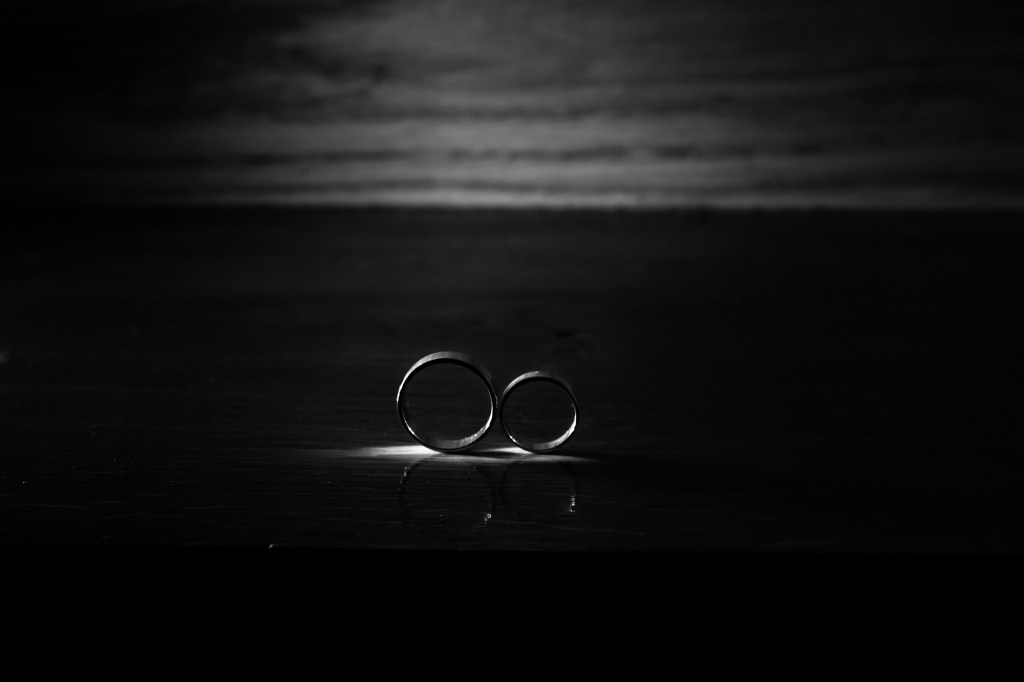
Marriage looks different when everything around it is new. Back home, love can hide inside familiar routines. You know the house, the streets, the shops, the family rhythm, the language, the medical system, the shortcuts, the small habits that make the day move without too much thought. You still have problems, because every real marriage does, but the background carries part of the weight. Then you move across the world, and suddenly the background disappears. The relationship stands in a new country without the old structure around it. That is when love becomes less romantic and more practical. Not weaker. More honest. In Shanghai, love is not only a nice dinner, a photo, a kiss, or a message. Love is patience when both people are tired. Love is solving stupid problems without turning them into emotional explosions. Love is reading the room before your own irritation becomes the weather inside the apartment. Love is remembering that your wife is not just watching your adventure. She is living her own version of the same move. That matters. A man can become dangerously selfish during a big transition. He can focus so much on his work, his pressure, his body, his mission, his adjustment, and his disease that he forgets the woman beside him also left a life behind. She also lost the old rhythm. She also has to understand a new city, a new daily system, a new culture, a new home, and a new way of moving through the world. If he forgets that, he is not leading. He is just using the word leadership to decorate his ego.
Moving to Shanghai with MS made this impossible to ignore. I did not come here alone. I came with my wife and daughter, which means the move is not only my test. It is our test. My body may carry the diagnosis, but the whole household feels the consequences of how well or how badly I manage myself. If I let fatigue make me cold, my wife feels it. If I let stress sharpen my tone, she hears it. If I let medical frustration turn into emotional distance, the home absorbs it. That is not acceptable. The fantasy version of masculinity loves big gestures. Protect. Provide. Lead. Build. Win. Fine. I believe in all of that. But the real version is often quieter and harder. It means holding your temper when the day has drained you. It means not making your wife pay for a problem she did not create. It means staying useful after work, after heat, after medical management, after translation problems, after fatigue, after the city has taken its share. It means being strong in the exact place where nobody applauds you. Marriage under pressure reveals what kind of man you really are. Anyone can be charming when life is smooth. Anyone can be romantic when sleep is good, money is stable, routines are predictable, and the environment speaks your language. The question is what happens when the apartment still does not feel fully like home, the city is loud, the body is tired, the child needs attention, the wife needs partnership, and your own system wants silence. That is where the costume comes off. I do not want a marriage that only works in comfort. Comfort is too easy a test. I want a marriage that can stand inside pressure without turning pressure into poison. That does not happen automatically. Love does not magically organize life. Love does not pay attention for you. Love does not protect tone, sleep, patience, or emotional discipline unless both people actively build the system around it. Love is powerful, but love without structure becomes exhausted.
That is one of the hardest lessons of relocation. You cannot rely only on feelings. Feelings change with hunger, heat, fatigue, sleep, stress, hormones, illness, and the endless small irritations of a foreign city. If marriage depends only on mood, it becomes unstable fast. A serious marriage needs a deeper code. We are on the same side. We do not turn the outside world into a weapon against each other. We do not confuse tiredness with truth. We do not let MS become the boss of the house. We speak when needed, stay quiet when wise, and repair fast when the pressure makes us imperfect. I am not writing this from some perfect husband throne. That would be dishonest. I am writing it as a man who understands the stakes better now. Shanghai makes everything more visible. Weak systems show fast. Weak communication shows fast. Poor recovery shows fast. Selfishness shows fast. So does real partnership. When everything is new, marriage cannot survive on autopilot. It has to be chosen more deliberately. Love looks different when everything is new because love becomes less decorative and more operational. It is not only what you feel. It is what you protect. It is how you behave when the day has been too long. It is how you build home in a place that still feels foreign. It is how you remain a husband while also being a father, a researcher, a patient, a fighter, and a man trying to rebuild his life across the world. That is not soft. That is hard in the adult sense. The kind of hard that does not need to shout. The kind of hard that shows up in the kitchen, in the apartment, in the evening, in the tired conversation, in the decision not to let pressure become cruelty. Marriage under pressure is not about looking strong from the outside. It is about keeping the inside of the home strong when the outside world is still being decoded.
My Wife Moved Too.
One of the most important things a man has to remember during a relocation is painfully simple. His wife moved too. That sounds obvious, but obvious truths are often the ones men forget first when pressure gets high. I can talk about my MS, my work at SSPU, my professional chapter, my health management, my training, my writing, and my responsibility as a father. All of that is real. But none of it cancels the fact that my wife also crossed the world and had to leave the known version of life behind. She did not just follow me into a new city. She entered her own unknown. She left familiar streets, familiar people, familiar family structures, familiar habits, familiar ways of solving problems, and the emotional comfort of knowing how life works. That is a serious sacrifice, even when the decision is shared. A strong man does not treat that sacrifice like background noise. He sees it. He respects it. He understands that a wife is not luggage moved into the next chapter. She is a human being rebuilding beside him. This matters because ambition can become selfish if it is not watched. A man with a mission can convince himself that because the mission is important, everyone else should automatically adapt around it. That is dangerous thinking. Yes, the mission matters. Work matters. The professional reason for being in Shanghai matters. The bigger life matters. But if the mission damages the marriage because the man forgets to remain emotionally present, then the mission is no longer strength. It becomes ego with a passport. I do not want that. I want the chapter to be big without becoming blind. My wife deserves to feel that she is part of the direction, not simply attached to it. She deserves patience when the new life frustrates her. She deserves space to have hard days without me comparing them to mine. She deserves support without being made to feel weak for needing it. She deserves a husband who understands that her adjustment is not secondary just because my diagnosis adds another layer. That is where MS complicates marriage. It can pull attention toward the body. It can make me monitor fatigue, heat, sleep, symptoms, medication, recovery, and the cost of every day. Those things are necessary. But necessity can still become self-absorption if I am not careful. The disease may demand management, but it does not give me permission to become emotionally unavailable. My wife did not marry a diagnosis. She married me. That means I still owe her the man, not only the medical schedule.
A wife does not need a man who only looks strong outside. She needs one who stays steady inside the home. That sentence should hit harder than any motivational quote. Outside strength is easy to perform. Inside strength is harder because it has to repeat daily in private. It shows in tone. It shows in patience. It shows in whether I listen or only wait to speak. It shows in whether I notice when she is tired. It shows in whether I help create peace instead of demanding it. In a foreign country, small things become emotional because they carry hidden weight. A confusing process is not just a confusing process. It can become another reminder that you are far from home. A failed errand is not just a failed errand. It can become a symbol of being out of place. A child having a difficult day is not just parenting. It becomes parenting without the old support system around. A wife feeling overwhelmed is not drama. It may be the normal human reaction to having too much unfamiliar life arrive at once.
A weak man dismisses that. A stronger man reads it properly.
Reading it properly does not mean becoming soft or losing direction. It means having enough control to understand that leadership is not only forward motion. Sometimes leadership is slowing down enough to make sure the people beside you are still with you. Sometimes leadership is not another speech about standards, but a quiet action that makes the day easier for your wife. Sometimes leadership is saying, I see what this costs you too, and I am not too consumed by myself to notice. That is harder than people admit because men often want their pressure to be recognized first. I have MS. I work. I carry responsibility. I manage my body. I lead the family. I am building in Shanghai. All true. But truth can become arrogance when it becomes the only truth allowed in the room. My wife has her own load, and her load is not invalid because mine is heavier in some areas. Marriage is not a competition over who is more exhausted. That is a disgusting game, and nobody wins it. A good marriage needs mutual recognition. Not constant emotional analysis. Not endless talking until every problem becomes therapy theatre. Recognition. I see you. I understand this is hard for you too. I know this move is not only my story. I know you are rebuilding. I know you need stability, respect, affection, and partnership, not just instructions. That kind of recognition makes the apartment feel safer. It lowers the emotional temperature. It reminds both people that they are not enemies standing on opposite sides of the stress. That is what I mean when I say my wife moved too. It is not just a logistical fact. It is a moral fact. It changes how I should behave. It means I cannot measure the success of this chapter only by my work output, my training rhythm, my MS management, or my ability to adapt. I also have to ask whether I am helping my wife build a life here. Whether she feels alone or supported. Whether our home feels like a partnership or like a pressure chamber. The honest truth is that relocation can expose selfish habits you did not fully see before. Back home, familiar systems hide many weaknesses. A routine can cover emotional laziness. Family support can absorb tension. Known surroundings can make communication easier because fewer things need explaining. Abroad, the cover is gone. The marriage becomes more naked. If there is impatience, it shows. If there is poor listening, it shows. If there is emotional discipline, it shows too. That exposure can be uncomfortable. Good. Discomfort is not always an enemy. Sometimes it reveals the next standard. For me, the standard is clear. I want to be strong enough to carry my own diagnosis without making my wife carry unnecessary damage from it. I want to be ambitious without becoming blind. I want to lead without controlling. I want to protect without suffocating. I want to build this Shanghai chapter in a way that makes her feel included, not dragged.
That is not weakness. That is refined strength. Any man can chase a mission and leave emotional wreckage behind him. That is not impressive. The harder version is building something big while keeping the woman beside you respected, seen, and protected from the unnecessary shrapnel of your own stress. That is a higher standard. My wife moved too. I repeat it because it deserves weight. She is not a side character in my MS story. She is not a passenger in my professional chapter. She is not a background figure in the Shanghai move. She is my partner inside it. If I forget that, I lose more than emotional sensitivity. I lose the integrity of the whole mission.
MS Cannot Become the Third Person in the Marriage.
MS cannot become the third person in the marriage. It is present, but it does not get a chair at the head of the table. It does not get to define every conversation, excuse every bad mood, explain every silence, dominate every plan, or become the invisible ruler of the home. A chronic disease can influence a marriage, of course it can. Pretending otherwise would be childish. But influence is not authority. MS can affect the conditions. It does not get command. This is a dangerous area because the disease can enter indirectly. It does not always announce itself clearly. Sometimes it appears as fatigue. Sometimes as irritability. Sometimes as needing recovery. Sometimes as lower patience. Sometimes as a shorter fuse after too much heat, too much walking, too much work, too much city input, or too little sleep. If I am not careful, MS can start speaking through my behavior before I even name it. That is where damage happens. The people closest to you often feel the disease through your mood before they understand the symptom. That is the ugly truth. My wife may not see the nervous system working harder, but she can feel when I become distant. She may not feel the fatigue inside my body, but she can feel when my patience becomes thinner. She may not experience the sensory load of the city the same way, but she can feel when I bring that load into the apartment. That means self-awareness is not optional. It is marital responsibility. This does not mean I have to be fake. I do not believe in pretending to be fine when the body is not fine. That kind of performance becomes poisonous. A marriage does not need perfect masks. It needs honest signals without emotional dumping. There is a difference between saying, I am overloaded and need a quiet hour, and making the whole room suffer because I refuse to name what is happening. The first is communication. The second is immaturity. The hard part is catching it early. When MS, heat, fatigue, work pressure, parenting, and relocation stress mix together, the first reaction is not always intelligent. The body wants relief. The mind wants space. The ego wants to stay hard. The home needs calm. The wife needs connection. The child needs presence. Those forces can collide. If I let them collide without awareness, the disease gets more power than it deserves.
That is why I need rules for myself. Not dramatic rules. Practical ones. Do not turn tiredness into tone. Do not make fatigue sound like blame. Do not let symptoms become a reason to disappear emotionally without explanation. Do not expect your wife to read every signal perfectly. Do not make your family walk on eggshells around a disease that already takes enough space. Say what is happening before it becomes atmosphere. Atmosphere matters in a home. A man can poison a room without raising his voice. He can do it with silence, sharp answers, impatience, withdrawal, or a face that says everyone should stay away. Sometimes the man may feel justified because he is tired, because MS is heavy, because work was demanding, because the city was too much. But justification does not erase impact. A wife still receives the atmosphere. A child still feels it. A home still changes under it. That is where the bad-boy style has to grow up. Being intense is easy. Being controlled is harder. Any idiot can be moody and call it depth. Any tired man can be sharp and call it honesty. Any stressed man can withdraw and call it needing space. But real strength is the ability to regulate yourself when your body gives you reasons not to. That does not mean denying pain. It means not letting pain drive the household. MS can also create another problem. It can make the healthy partner feel like every frustration has to be swallowed because the disease is already hard enough. That is not healthy either. My wife should not have to erase her own needs because I have MS. She should not feel that every complaint, every emotion, every hard day of hers is smaller because my body has a diagnosis. That would turn the disease into emotional dictatorship. I refuse that. Marriage needs room for both people. My MS matters, but her experience matters too. My fatigue matters, but her exhaustion matters too. My adjustment matters, but her adjustment matters too. My work matters, but her daily life matters too. The disease adds complexity, but it cannot become a weapon that silences the other person. If that happens, the marriage becomes unbalanced, and resentment starts growing in the dark. That is why communication has to be clean. Not perfect. Clean. I need to say what is happening without making it an excuse. She needs to be able to say what she feels without feeling guilty for adding pressure. We both need to remember that the enemy is not each other. The enemy is the unmanaged pressure between us. The more clearly we name it, the less power it has.
There are days when the best thing I can do for the marriage is not a grand gesture, but a clear sentence. I am tired and need recovery. I am overloaded from the city. I need a short reset before I can be useful. I am not angry at you. I am managing my system. That kind of sentence can prevent unnecessary damage. It removes mystery. It stops the other person from inventing explanations. It keeps MS from becoming a ghost walking around the apartment and touching everything. The disease already takes enough. I will not let it take communication too. There is also the question of intimacy. Not only sexual intimacy, although that matters. I mean emotional closeness, warmth, playfulness, small daily connection, the feeling that marriage is not only logistics. Relocation can turn couples into managers. Food, bills, documents, child routines, work, transport, medical details, messages, plans. Everything becomes admin. Add MS, and there is even more to manage. If you are not careful, the marriage becomes a shared operations center instead of a living relationship. That is dangerous because efficiency alone does not keep people close. A marriage needs moments where you are not only solving. It needs laughter. Touch. Eye contact. A walk. A meal. A private joke. A moment where the disease is not leading the conversation. A moment where the city is not demanding translation. A moment where the man and woman are still there underneath the parents, the planners, the workers, and the patients.
I need that. She needs that. The marriage needs that.
MS cannot become the third person in the marriage because marriage is already difficult enough with two real humans. A disease can sit in the background. It can inform decisions. It can require adjustments. It can demand respect. But it cannot be allowed to become the emotional center. The center has to remain us. The direction has to remain ours. The home has to belong to the family, not the diagnosis. This is not denial. It is hierarchy. The disease is managed. The marriage is protected. The family is prioritized. The mission continues. That is the order. When the order is wrong, everything becomes heavier. When the order is right, even hard days have structure. I know MS will always be present in some form. I know it can affect energy, mood, planning, travel, training, work, and recovery. I am not naive. But presence does not equal power. The strongest thing I can do for my marriage is not pretend MS does not exist. It is to make sure it does not become bigger than it has to be.A wife should not have to compete with a disease for her husband’s presence. A child should not have to compete with symptoms for her father’s attention. The home should not become a shrine to medical struggle. We live with MS, but we do not live for MS.
That is the line.
Pressure Shows the Quality of the System.
Pressure does not create character as much as it reveals the system underneath. People like to say pressure makes diamonds, but pressure also cracks weak foundations. It exposes poor communication, poor sleep, poor planning, poor emotional control, poor routines, poor priorities, and poor self-awareness. In marriage, pressure is merciless. It shows whether the relationship is built only on good days or whether it has enough structure to survive the ugly ones. Moving across the world with MS is pressure from multiple directions at the same time. There is the pressure of relocation, the pressure of a foreign city, the pressure of professional performance, the pressure of parenting, the pressure of medical management, the pressure of missing home, the pressure of building new routines, and the pressure of not letting all of that turn the household into a battlefield. None of those pressures exist separately. They overlap. They compound. They walk into the apartment together. That is why the system matters. A marriage without a system becomes reactive. Two people wake up, get hit by the day, absorb stress, carry it home, and then wonder why the smallest issue suddenly feels personal. The problem is not always the issue itself. Sometimes the problem is that the system is overloaded and nobody named it in time. A small misunderstanding becomes the place where the whole day explodes. I do not want that. I have no interest in living like a man who trains his body but leaves his marriage unmanaged. That is hypocrisy. If I can track my workouts, treatment, work priorities, and recovery, then I can also pay attention to the rhythm of my home. A serious man does not treat his family life as something that should function magically while he gives structure to everything else. That is lazy. The family system needs basics. Sleep matters. Food matters. Time outside matters. A calm apartment matters. Predictable child routines matter. Clean communication matters. Recovery time matters. Space for my wife matters. Space for me matters. Shared moments matter. Work boundaries matter. Medical routines matter. None of this sounds wild or cinematic, but these are the things that decide whether the home feels stable or constantly tense. A lot of men want respect, but they do not build the conditions that make respect natural. They want to be seen as leaders, but they bring disorder into the house. They want peace, but they create unpredictability. They want support, but they do not offer steadiness. They want admiration, but they are careless with tone, planning, and emotional control. That is not leadership. That is entitlement.
In Shanghai, leadership has become more practical. It is not about being loud. It is not about acting untouchable. It is not about having the final word in every room. Leadership is noticing the family system before it breaks. It is seeing that my daughter needs rhythm, my wife needs partnership, I need recovery, work needs focus, and MS needs management. It is arranging the day so fewer things collide. It is not glamorous, but it is powerful. Pressure also shows whether a couple can stay on the same side. That may be the most important part. Stress tries to divide. It makes two tired people look at each other like the other one is the problem. But most of the time, the real problem is the pressure around them, not the person beside them. The city is hard. The move is hard. Parenting is hard. MS is hard. Work is hard. But my wife is not the enemy. I am not her enemy. We have to remember that especially when the day is ugly. That reminder has to become a rule. Same side, even when tired. Same direction, even when irritated. Same home, even when the outside world is too loud. If we forget that, the pressure wins. Not because it destroys love in one moment, but because it trains two people to turn away from each other slowly.
I do not want slow distance. I want fast repair.
Fast repair may be one of the most underrated skills in marriage. Not perfect communication, not never making mistakes, not pretending both people always speak beautifully under pressure. That is fantasy. Real marriage needs repair. The ability to say, I was sharp, that was not fair. The ability to say, I am overloaded, but I do not want to make you carry it. The ability to stop a bad pattern early. The ability to come back before silence becomes a wall. This is especially important when MS is involved because the disease can create invisible explanations that are easy to misunderstand. Fatigue may look like disinterest. Overload may look like irritation. Needing quiet may look like emotional distance. If I do not explain myself, I leave my wife alone with guesses. That is unfair. At the same time, I cannot expect her to translate every signal perfectly. I need to participate in being understood. The system also has to protect intimacy from logistics. A family abroad can easily become a project. Apartment, work, food, child, documents, transport, treatment, planning, money, messages. Everything becomes a task. Tasks are necessary, but marriage cannot live only inside tasks. There has to be something human left between the two people doing the tasks. A moment. A touch. A laugh. A calm meal. A walk. A private conversation that is not about solving the next problem. That does not happen by accident during a high-pressure season. It has to be protected. Not in a soft, childish way. In a disciplined way. If training deserves time, marriage deserves time. If work deserves focus, marriage deserves focus. If treatment deserves consistency, marriage deserves consistency. The things that matter do not survive only because you say they matter. They survive because the calendar, the tone, the attention, and the behavior prove it.
Pressure also exposes whether a man understands recovery as a family issue. When I recover, I am not only recovering for myself. I am recovering so I can be better at home. Better patience. Better focus. Better presence. Better emotional control. Better ability to help. That changes how I view rest. Rest is not disappearing from responsibility. Rest is maintaining the man who carries responsibility. But rest must be communicated and structured. Otherwise, it looks like withdrawal.
That is another part of the system. Recovery cannot become escape. Work cannot become escape. Training cannot become escape. Writing cannot become escape. Everything good can become a hiding place if used poorly. A man has to be honest about that. Am I training because it strengthens me, or because I do not want to deal with the home atmosphere? Am I working because the mission needs it, or because work is easier than emotional presence? Am I staying silent because silence is wise, or because I am avoiding repair? Hard questions. Necessary questions. This is where marriage under pressure becomes a mirror. It shows not only whether love exists, but whether love has discipline. Love without discipline becomes mood-dependent. Discipline without love becomes cold. The right marriage needs both. Warmth and structure. Affection and standards. Patience and truth. Protection and honesty. Space and connection.
Shanghai did not create the need for that. It revealed it. MS did not create the need for that. It sharpened it. Fatherhood did not create the need for that. It made it non-negotiable. Pressure shows the quality of the system, and if the system is weak, the answer is not shame. The answer is upgrade. Better communication. Better rhythms. Better recovery. Better planning. Better repair. Better awareness of how the disease affects the house. Better recognition of what my wife carries. Better protection of the relationship from becoming a casualty of the move. That is the mature answer. Not drama. Not blame. Not ego. Upgrade.
Choosing the Same Direction Under Load.
Marriage is not comfort. Comfort can be part of it, and I want comfort in my home as much as any sane man does. But marriage itself is not comfort. Marriage is choosing the same direction under load. It is the decision to stay on the same side when the city is unfamiliar, the body is tired, the child needs attention, work demands performance, and the old support systems are far away. It is not a romantic sentence written in soft lighting. It is a daily discipline. The Shanghai chapter has made that clear. Love is easy to praise when life looks beautiful from the outside. Family abroad, new city, new work, new skyline, new experience. People can look at the surface and see adventure. But inside the apartment, life is more honest. Someone has to plan the day. Someone has to cook or find food. Someone has to solve problems. Someone has to manage the child rhythm. Someone has to work. Someone has to recover. Someone has to notice when the atmosphere is getting heavy. Someone has to be adult when the fantasy version of the move gets tired. That someone cannot always be one person. Marriage means both people carry the chapter, even if they carry different parts. I carry MS, yes. I carry work pressure, ambition, treatment, training, and the private weight of rebuilding myself in a new country. But my wife carries her own relocation, her own emotional distance from home, her own daily adjustment, her own role as mother, partner, and woman in a new environment. A strong marriage does not erase those differences. It respects them and still chooses one direction. That is not always smooth. Sometimes the load makes people quiet. Sometimes it makes them sharp. Sometimes it makes them tired of explaining. Sometimes it makes small problems feel larger because there is already too much in the system. That is normal, but normal does not mean harmless. A serious couple has to interrupt the pattern before pressure becomes identity. We are not the stress. We are the people carrying it. That distinction matters.
I believe in hardness, but not the stupid kind. The stupid kind refuses to speak, refuses to adjust, refuses to admit strain, refuses to repair, and calls the damage strength. The real kind stays committed when the mood is not perfect. It keeps the home steady. It protects the woman without controlling her. It protects the child without pretending fatherhood is easy. It manages the disease without letting it become the family flag. It builds the future without sacrificing the people who make the future worth building. That is the kind of man I want to be. Not a soft man. Not a reckless one. A controlled one. A dangerous one in the durable sense. A man who can carry pressure without spraying it over the people closest to him. A man who can admit when the body is loaded without turning that into an excuse. A man who can stay ambitious without becoming emotionally blind. A man who can be tired and still decent. That last one may sound simple, but it is one of the highest standards. MS makes this standard sharper. It forces me to manage energy, symptoms, sleep, heat, recovery, and treatment. But marriage forces me to manage something deeper. Presence. Tone. Attention. Patience. Repair. Tenderness without weakness. Strength without cruelty. Direction without domination. These are not optional extras. They are the real test of whether the man behind the public image is worth respecting. A wife sees what the world does not. The world may see output, photos, training, work, writing, confidence, the strong posture. A wife sees the evening version. The tired version. The irritated version. The distracted version. The version after the city, after the work, after the body has taken its share. That is why marriage is such a brutal mirror. You cannot hide behind branding at home. You either bring steadiness or you do not. That is also why the home has to remain sacred in a practical way. Not perfect. Sacred. It cannot become the dumping ground for every frustration from outside. It cannot become the place where the worst version of me feels entitled to appear because the world already got my controlled version. That is backwards. The people closest to me should not receive the leftovers of my discipline. They deserve the strongest part of it.
This is not easy. I know that. Nobody with a real life pretends it is easy. There are days when the body is heavy, the mind is crowded, the city is too much, work takes more than expected, and patience becomes expensive. But expensive does not mean optional. The things that matter are often expensive. Marriage costs attention. Fatherhood costs energy. Health costs discipline. Ambition costs comfort. A bigger life costs the smaller excuses. So I choose the same direction under load. I choose the marriage over the mood. I choose repair over pride. I choose communication over silent punishment. I choose presence over disappearing into my own pressure. I choose to see what my wife carries, not only what I carry. I choose to keep MS in its place. Present, managed, respected, but not crowned. That is how marriage survives a chapter like this. Not through perfect days. Through repeated decisions. Through catching pressure early. Through refusing to turn each other into enemies. Through remembering that the move is ours, the child is ours, the home is ours, the future is ours, and the disease does not get to divide what we are building. Moving across the world with MS has made marriage heavier in some ways, but also more meaningful. It removed the decorative parts and exposed the structure. It showed what needs work. It showed what matters. It showed that love is not only chemistry, memory, attraction, or shared history. Love is direction. Love is what you protect when life becomes inconvenient. Love is choosing the person beside you even when the chapter demands more than expected.
That is not soft.
That is war in domestic clothing. And the strongest men understand that the home front matters. It is where the mission is either protected or slowly destroyed. It is where a man proves whether his discipline is real or only public. It is where love becomes structure, patience becomes power, and partnership becomes the reason the bigger life is worth building. Marriage under pressure is not about never bending. It is about refusing to break in different directions. It is about taking the load and still facing the same future. Shanghai tests that. MS tests that. Parenthood tests that. Ambition tests that. Good. A marriage that survives only easy weather is not the marriage I want. I want the kind that can stand inside the storm, look at the same horizon, and keep moving.


Leave a Reply