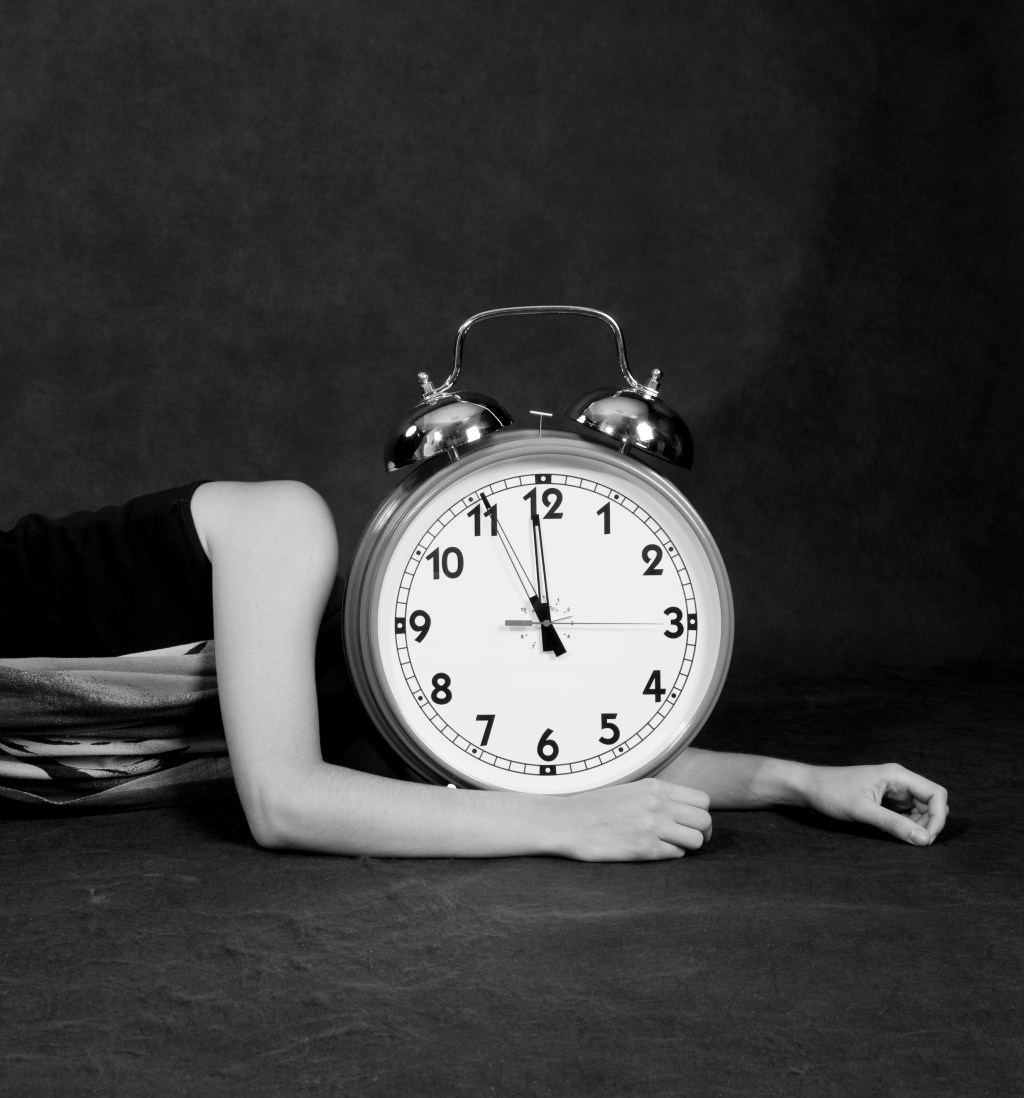
My old routine did not survive the move to Shanghai. It was never going to. Bratislava is no longer the place where my days happen. The house is gone, the car is gone, the old roads are gone, the familiar shortcuts are gone, and the system that used to hold my everyday life together is no longer around me. The old gym, the old routes, the old shops, the old rhythm, the old language, the old medical background, the old way of solving problems without thinking too much…all of that became part of the previous chapter. Not forgotten. Not worthless. But no longer the structure I can rely on every morning.
That is one of the cleanest lessons Shanghai gives you immediately. The city does not care what used to work for you. It does not ask what your routine looked like in Bratislava, when you trained, how you moved through the day, where you bought food, what streets felt familiar, or how much comfort was hidden inside those old patterns. Shanghai does not adjust itself to your habits. It does not slow down because you are new, because your family is adapting, because the language is different, because the heat is heavier, or because MS sits in the background like an unwanted passenger. The city moves on its own terms, and you either rebuild inside it or you keep staring backward like a man mourning a map that no longer applies.I do not romanticize ruins. The old routine died, and that is fine. What matters is that the standard did not die with it. That distinction is everything. A routine is a shape. A standard is a spine. A routine depends on conditions: this place, this time, this gym, this road, this schedule, this environment. A standard travels. A standard says the following. I stay physically capable, I stay mentally sharp, I stay useful to my family, I protect my health, I work seriously, I manage MS properly, I keep moving, and I do not let a change of environment become a permission slip for becoming weaker.
This is where many people get exposed.
They think they are disciplined, but what they really have is a comfortable setup. Their discipline works only when the gym is close, the food is familiar, the language is easy, the schedule is predictable, the weather is manageable, and the old system quietly removes friction from the day. That is not discipline. That is decoration. Real discipline has to survive friction. It has to survive jet lag, paperwork, heat, family pressure, new work, medical logistics, translation problems, and the strange psychological weight of waking up in a place where almost nothing is automatic yet. Moving to Shanghai with MS stripped everything down. There was no old base, no car waiting downstairs, no old house protecting the rhythm, no automatic routine that could simply be copied and pasted into a Chinese megacity. At first, that can feel brutal. Then you realize it is also useful. Sometimes the only way to know what is real in you is to remove the environment that made it easy. If the standard collapses when the surroundings change, then the standard was not real. It was rented from comfort. I did not come here to preserve the Bratislava version of myself in a different city. That would be pathetic. I came here to build the next version…the one that can operate in Shanghai, in this heat, in this density, in this new professional environment, with my wife and daughter beside me, with MS still requiring management, and with a new life demanding structure before comfort. This is not about pretending the rebuild is smooth. It is not. Some days are heavy. Some days the body wants a slower pace than the mind ordered. Some days the city drains more than expected. Some days the simplest task becomes stupidly complicated. Some days the old rhythm looks tempting because memory is a liar: it edits out the boring parts and makes the past look cleaner than it was.
But I do not need the past to look worse in order to choose the future. I chose this chapter, and now I have to live up to it. That means I cannot spend my energy comparing every inconvenience in Shanghai to the ease of Bratislava. That would be a weak way to live. The old routine died. Fine. Let it die. The standard is still breathing, and the standard is what matters. A man does not prove himself by protecting one routine forever. He proves himself when the routine gets destroyed and he still finds a way to remain under command. This matters even more with MS. A chronic disease already tries to make your life smaller through invisible calculations. How far is it? How hot is it? How much energy will this cost? What happens tomorrow if I push today? When you move across the world, those calculations multiply. But the answer cannot be to surrender to them. The answer is to become more precise. Less romantic, more operational. Less attached to the old way, more committed to the core standard. MS changes the cost of life, but it does not get to decide the value of life. That decision stays mine. So the first phase of the Shanghai rebuild is not glamorous. It is not a motivational poster. It is the reality of constructing a new system from the ground up while refusing to lower the bar. The method changes. The schedule changes. The environment changes. The tools change. The stressors change. But the core remains: I am still responsible for my body, my family, my work, my mind, my treatment, and the direction of my life. That responsibility did not stay in Bratislava. It came with me.
Training Had to Become Portable.
Training had to change. That does not mean training had to disappear. The difference matters because too many people treat disruption as a reason to quit, while others make the opposite mistake and try to force an old routine into a new environment like an idiot pushing the wrong key into a lock. Both are weak strategies. Quitting is obvious weakness. Blindly forcing the old system is ego pretending to be discipline. A serious man does neither. He reads the terrain, adjusts the method, and keeps the standard alive. The old training setup is gone. The old rhythm is gone. The old automatic conditions are gone. I cannot expect Shanghai to hand me the same structure and then call myself disciplined for using it. The real question is not whether I can train exactly as I trained before. The real question is whether I can keep the physical standard alive under new conditions. That is the test. Training with MS was never just about building muscle or looking strong. It was always about ownership. It was proof that this body, even with a diagnosis, still receives orders. It was a way of saying that my nervous system may have its own problems, but I am still the one giving commands where command is possible. In Shanghai, that statement needed a new format. Some days the city itself becomes part of the physical workload. Long walks, humid air, crowded streets, stairs, carrying bags, moving with family, handling errands, and staying patient while the environment pulls energy out of the system…that all counts as load. Not as a replacement for training, but as part of the total stress picture. This is important because training does not exist in isolation. A workout after a calm day and a workout after a hot, crowded, mentally overloaded city day are not the same thing. The body knows the difference, even if the ego pretends not to.
That is why the new training standard has to be smarter.
Some days it means controlled strength work. Some days it means the heavy bag. Some days it means walking with purpose. Some days it means mobility, active recovery, or a shorter session that keeps the engine alive without burying the next day. This is not lowering the standard. It is protecting the mission. A stupid man sees adaptation as surrender. A serious man understands that the mission survives because the method adjusts. The standard stayed. The method changed. This is especially true with MS. I cannot treat my body like an enemy and expect it to remain loyal for years. I also cannot treat it like fragile glass and expect to stay strong. The middle ground is harder…controlled aggression. Push, but know what you are spending. Train, but read the cost. Stay sharp, but do not become reckless just because recklessness looks harder from the outside. A brutal session means nothing if it destroys the next three days. A smart session that keeps the body online, preserves consistency, and allows me to work, father, recover, and train again is worth more than one dramatic workout done for ego. Shanghai makes that lesson unavoidable. Heat and humidity change the cost of movement. Crowds change the cognitive cost of getting somewhere. Family logistics change the schedule. Work at SSPU changes the mental demands of the week. Medication and recovery still need their place. If I train like none of those things exist, I am not being hard. I am being unmanaged. And unmanaged intensity is not strength. It is a short-term performance with a long-term bill. Portable training means I no longer depend on one perfect setup. I use what I have. I train where I can. I rebuild rhythm before chasing intensity. I keep movement in the system even when the format changes. That might sound less dramatic than the old hard lines about crushing everything, but it is more real. Anyone can train when the environment is built around them. The serious test is whether you still move when the environment is new, uncomfortable, humid, crowded, unpredictable, and already demanding energy before the training session starts.
There is also an identity piece here that I do not ignore.
If movement disappears, something inside me starts to rot. Training is not just physical maintenance. It is a signal to the mind that I am still active, still commanding the body, still refusing to become passive. MS can make people cautious, and sometimes caution is necessary. But permanent caution becomes a cage. I do not want a smaller life built around avoiding every difficult sensation. I want a bigger life with better systems. That means training remains. It just becomes more tactical. I do not need to prove I have teeth. I know I have teeth. The goal is to keep them sharp. That requires consistency, not occasional self-destruction. It requires patience, not panic. It requires the humility to restart properly in a new environment instead of pretending the old rhythm can be resurrected immediately. The body does not care about nostalgia. The body responds to what you do now. In Shanghai, what I do now has to fit Shanghai. So the rebuild begins with movement, not perfection. I move, repeat, stabilize, and build. Then I attack when the system is ready. That is the order. Rhythm first, intensity second. Command first, ego last. The old routine died, but the body is still under command. That is the only part that matters.
Work at SSPU. Performing While Rebuilding Privately.
I did not come to Shanghai just to survive. I came here to work. That matters because this chapter is not only about relocation, MS, or personal reinvention. SSPU is part of the mission. I am here to contribute, collaborate, think, build professionally, and operate at a serious level in a new academic environment. This is not a vacation with medical complications. This is work, responsibility, and performance inside a completely new life structure. But serious work demands more than showing up physically. It demands mental clarity, energy, focus, preparation, and the ability to produce while the private side of life is still under construction. That is the hidden layer people rarely see. They see the professional output, the meeting, the message, the lecture, the research discussion, the scientific role, the formal responsibility. They do not see the private system required to produce that output while living with MS in a foreign country. They do not see the sleep management behind the clear mind, the medication routine behind the calendar, the route planning behind arriving functional, the food decisions behind stable energy, or the recovery calculations behind being able to work again tomorrow. I do not say that to complain. I say it because it is true. Professional performance with MS does not begin at the desk. It begins earlier…sometimes the night before, sometimes with the decision not to waste energy on useless friction, sometimes with the discipline to protect sleep, sometimes with eating properly, sometimes with reducing noise because the next day requires a sharp brain. People love to talk about productivity, but productivity without biological support is fantasy. The mind does not float outside the body. If the body is overheated, underfed, badly rested, overstimulated, and dragged through unnecessary stress, the work will feel it sooner or later.
This is where academic work and MS collide quietly.
On paper, you have tasks. In reality, you have conditions that make those tasks possible. A serious work block does not appear by magic. It has to be protected. A clear brain does not stay clear if every part of the day is leaking energy. A man who wants to perform in a demanding professional environment cannot treat his health as an afterthought and then act surprised when the output becomes harder to maintain. So the rebuild in Shanghai had to include work rhythm, not just work hours. Work hours are simple. Work rhythm is more intelligent. When is my brain sharpest? Which tasks require clean focus? Which tasks can be handled with lower energy? Which problems deserve attention immediately, and which ones are just noise trying to look important? How do I prevent the city, the heat, the errands, the apartment issues, and the adjustment period from eating the mental space I need for serious thinking? These are not soft questions. They are performance questions. I refuse to become a man who uses MS or relocation as a reason for weak output. But I also refuse to pretend that high-level performance has no foundation. Both extremes are stupid. One turns the diagnosis into an excuse. The other acts like biology is irrelevant. I respect neither. The professional answer is stricter: protect the system so the work can happen. That means less wasted attention, less unnecessary friction, fewer pointless decisions, more deliberate blocks, better recovery, and a more serious relationship with what I allow into my head. A new city offers endless distractions. Everything is new, everything wants interpretation, everything feels like it might matter. But a serious man does not accept every invitation for attention. He chooses the mission. In this chapter, the mission is not only to adapt to Shanghai but to work here, build here, and remain intellectually sharp here. That means the private life has to support the public role. Home supports work. Sleep supports work. Food supports work. Medication supports work. Training supports work. Family stability supports work. Recovery supports work. It is one system.
That is something MS teaches you if you are willing to listen. You cannot separate yourself into neat compartments forever. Husband here, father there, researcher there, patient somewhere in the basement, fighter only in the gym, writer only when inspired. No. It is one machine. If one part leaks too much, the whole machine feels it. If the home is unstable, work feels it. If sleep is poor, work feels it. If the body is overloaded, work feels it. If the mind is full of unresolved noise, work feels it. The solution is not to become obsessed with control but to stop being careless with the conditions that make performance possible.
There is also a private pride in this.
I want to show up professionally not despite the difficulty only, but because the difficulty demands a higher standard. It would be easy to lower expectations during relocation. New country, family adjustment, MS, heat, logistics, apartment, treatment, everything at once…plenty of reasons to soften the bar. But I do not want a soft bar. I want a realistic system that supports a hard standard. That is the difference. The bar stays high, but the structure underneath it becomes smarter. Work at SSPU forces the rebuild to become real. It is not enough to write about command, discipline, adaptation, or standards. The professional environment asks whether I can apply those things when there are deadlines, responsibilities, people, expectations, and a new academic culture around me. Words are cheap unless the day proves them. Shanghai is proving them in real time. MS came with me. Fine. It can sit in the room. It does not run the meeting.
Family Became the Anchor.
I moved with my family, and that changes the entire story. If I had moved alone, the rebuild would be simpler. Hard, yes, but simpler. I could absorb more disorder, live rougher for a while, eat badly for a few days, sleep strangely, work odd hours, push through irritation, and treat the whole thing like a personal challenge. But I did not come alone. My wife is here. My daughter is here. That means the new life cannot be only functional for me. It has to become livable for us. That is a different standard. A man alone can improvise for too long and call it freedom. A man with a family cannot worship improvisation. He has to build rhythm. He has to create safety. He has to make the home feel like more than a temporary landing zone. In Shanghai, this has become one of the deepest parts of the rebuild. Family is not an obstacle to the mission. Family is the reason the mission has weight. Without them, the move would still matter. With them, it becomes something heavier, more serious, and more honest. My daughter does not care about the dramatic meaning of relocation. She does not care that we sold the house, crossed continents, or that I am building a professional chapter at SSPU. She cares whether Dad is present, whether the home feels safe, whether there is rhythm, whether she can play, sleep, laugh, explore, and feel that her parents are stable. That cuts through all the noise. My daughter does not need a perfect father. She needs a present one. That sentence matters more to me than any aggressive quote. MS can pull attention inward if you are not careful. How do I feel today? Is fatigue coming? Did I sleep enough? Is this symptom relevant? How much energy is left? What does treatment require? What is the body telling me? These are valid questions, but fatherhood does not allow endless self-absorption. Good. A man should be pulled out of himself by love and responsibility. Not to ignore his body, but to remember why managing that body matters. I do not manage MS only for myself. I manage it because people I love depend on the version of me that stays clear, present, patient, and capable. My wife also carries this move. She left her routines, her known world, her comfort zone, and the familiar environment that used to structure her life. She has to rebuild too. That means leadership cannot be only about making decisions or solving practical problems. It has to include patience, emotional control, partnership, listening, and building a home where the pressure of transition does not poison the atmosphere. That is harder than hitting a heavy bag. The bag does not need reassurance. The bag does not get tired. The bag does not feel the emotional temperature of the home. Family does.
This is where discipline becomes real.
Not gym discipline. Household discipline. Emotional discipline. The discipline to not let fatigue make you sharp with people who do not deserve it. The discipline to solve problems without turning every inconvenience into a storm. The discipline to create calm even when your own system is loaded. The discipline to remain useful when the day has already taken more from you than expected. That is leadership. Not a speech. A behavior pattern. In Shanghai, the apartment had to become a base. Not perfect, not aesthetic first, not some Instagram version of a new home. Functional first. Warm first. Stable first. A place where my daughter can feel rooted, my wife can breathe, and I can recover enough to stay useful. A home is not just walls and furniture when you live abroad with a family and MS. It is recovery infrastructure. It is emotional shelter. It is where the outside pressure stops being allowed to dominate the room. A man who can train hard but cannot keep peace in his own home is not strong. He is just physically active. I am not interested in that. I want the full standard: body, work, marriage, fatherhood, health, writing, discipline, recovery, all of it. The standard is not real if it only exists when I am alone in the gym. It has to exist when my daughter needs patience, when my wife needs partnership, when the home needs structure, when the city has drained the day, and when MS is asking for management in the background. Family anchors the rebuild because family forces the right priorities. When I feel scattered, family reminds me what matters. When Shanghai becomes too much, family gives the chapter meaning. When MS demands attention, family reminds me why responsible management is non-negotiable. This is not pressure I resent. It is pressure I respect. It keeps the mission from becoming selfish. It turns discipline from a personal identity into a responsibility with faces attached to it. Love in this chapter is not only soft words or beautiful moments. It is structure. Presence. Patience. Reliability. Coming home with enough left in the tank to be a father, not just a man who survived the day. Supporting my wife as we both build new footing. Creating routines that help our daughter feel safe. Refusing to let stress become the language of the house. That is the adult form of love. Not dramatic, not always visible, but real.
This is why the family part of the rebuild might be the most important part. Training keeps me physically alive. Work gives the move professional direction. Writing gives the experience shape. But family gives everything weight. They are not beside the story. They are inside the reason for building it properly. If the system I build works only for me, it is incomplete. The real system has to carry us.
Shanghai Is the New Test.
Bratislava was the old base. Shanghai is the new test. That is how I see it now. Not as a rejection of everything that came before and not as some fake clean break where the old life means nothing. Bratislava built part of me. The old routines mattered. The old house mattered. The old streets mattered. The people we left behind matter, especially family. But a man cannot live forever inside what built him. At some point, the base becomes too small for the next chapter. So we moved, and now Shanghai asks a simple question: what still works here? Not in theory, not in memory, not in the comfortable version of life where everything is already set up, but here…in the heat, in the crowds, in the new academic environment, in the new home, in the family transition, in the body with MS still doing what MS does, in the days when motivation is low and responsibility is high. What still works when the old system is gone?
The answer is becoming clearer.
The old routine did not work here, but the standard did. The old structure did not come with me, but the need for structure did. The old training rhythm changed, but the need to move did not. The old professional environment changed, but the need to perform did not. The old home disappeared, but the responsibility to create a home did not. That is the whole lesson: the city changed, the system changed, the pressure changed…the standard did not. This is what I want people with MS to understand. Your life can change completely and you can still remain under command. You can lose the old rhythm and build a new one. You can leave the familiar and still carry your identity. You can move across the world and still refuse to let the diagnosis become the center of the room. But you need to stop worshipping the old setup. Comfort has a way of pretending to be stability. Sometimes it is stability. Sometimes it is just a padded cell with good lighting. I did not sell everything and move to Shanghai so I could spend my days comparing every inconvenience to Bratislava. That would be useless. I came here to build a new base, a harder one, a sharper one, a version that can hold work, family, MS, training, writing, ambition, and recovery in a different environment. This is the next phase of MSFighter. Not only fighting symptoms, but building territory. Not only surviving hard days, but creating a system where hard days do not own the whole story. Not only proving that MS does not stop me, but showing what it looks like to build a bigger life while carrying it. I do not need Shanghai to become easy. Easy is not the goal. Command is. If this city keeps testing me, fine. Tests reveal what still needs work. Heat reveals planning. Crowds reveal patience. Work reveals focus. Family reveals maturity. MS reveals discipline. Relocation reveals identity. All of it sharpens the same blade, but only if I let it teach instead of just irritate me. That is the difference between a man who grows under pressure and a man who only complains about the weight. The old routine did not survive. Good. Maybe it was not supposed to. Maybe the old routine had to die so the standard could prove it was real. Now the rebuild continues. Training returns in a new form. Work deepens. Family roots grow. The apartment becomes more of a home. The city becomes less foreign. The body learns the rhythm. The writing comes back. MS remains part of the terrain, but terrain can be studied, adapted to, and moved through. Terrain is not king.
There is something freeing in that realization.
I do not need the old conditions back in order to remain myself. I do not need the old gym, old house, old car, old roads, or old routine to prove that I still operate. Those things were part of a chapter. They were not the source of the standard. The source comes with me. That means the rebuild is not a loss of identity. It is a test of identity under new conditions. Shanghai is the new test, and the test is not asking me to become someone else. It is asking whether the core survives translation into a new life. Can I be a strong father here? Can I be a serious husband here? Can I work properly here? Can I train intelligently here? Can I manage MS responsibly here? Can I write again here? Can I build instead of just adapt? These are the questions that matter now. The answer will not come from one dramatic moment. It will come from repetition. From mornings where I choose structure. From days where I protect energy instead of wasting it. From training sessions adjusted to reality but still done. From work blocks protected from noise. From evenings where I stay present with my family instead of letting fatigue turn me into a shadow. From medical routines handled without drama. From writing again after the silence of relocation. That is how a new base is built. Bratislava was the old base. Shanghai is the new test. The diagnosis came with me, but so did the standard. The routine died, but the command did not. That is the point. I am not here to recreate the old life in a new city. I am here to build the next system strong enough to carry what comes next.


Leave a Reply